
Love, Forgiveness, and Reconciliation: The Heart of the Christian Faith
Love, forgiveness, and reconciliation are central themes of the Christian faith and foundational to Christian living. These principles reflect the character of God and define how believers are called to relate to one another and to the world. Christianity is not merely a profession of faith but a transformed life expressed through love, mercy, and restored relationships (James 1:22).
Love: The Foundation of Christian Life

Love is the very nature of God. Scripture declares, “God is love” (1 John 4:8), and every believer is called to reflect this divine attribute. Jesus identified love as the greatest commandment—love for God and love for others (Matthew 22:37–39; Deuteronomy 6:5; Leviticus 19:18).
“By this everyone will know that you are my disciples, if you love one another.” — John 13:34–35
Christian love is sacrificial and action-oriented. Jesus demonstrated the highest form of love through His sacrifice (John 15:13; Romans 5:8). The Apostle Paul teaches that love is patient, kind, and enduring, and without it, all spiritual gifts and works are meaningless (1 Corinthians 13:1–7).
Forgiveness: A Command, Not an Option

Forgiveness is a direct expression of love and obedience to God. Jesus made forgiveness a requirement for believers, stating that those who forgive others will receive forgiveness from God (Matthew 6:14–15; Luke 6:37).
“Then Peter came to Jesus and asked, ‘Lord, how many times shall I forgive?’ Jesus answered, ‘Not seven times, but seventy-seven times.’” — Matthew 18:21–22
Forgiveness does not ignore wrongdoing but releases the offender to God’s justice. Believers are warned against bitterness and resentment, which hinder spiritual growth (Hebrews 12:15; Mark 11:25). Paul exhorts Christians to forgive as Christ forgave them (Ephesians 4:31–32; Colossians 3:13).
Reconciliation: Restoring Broken Relationships
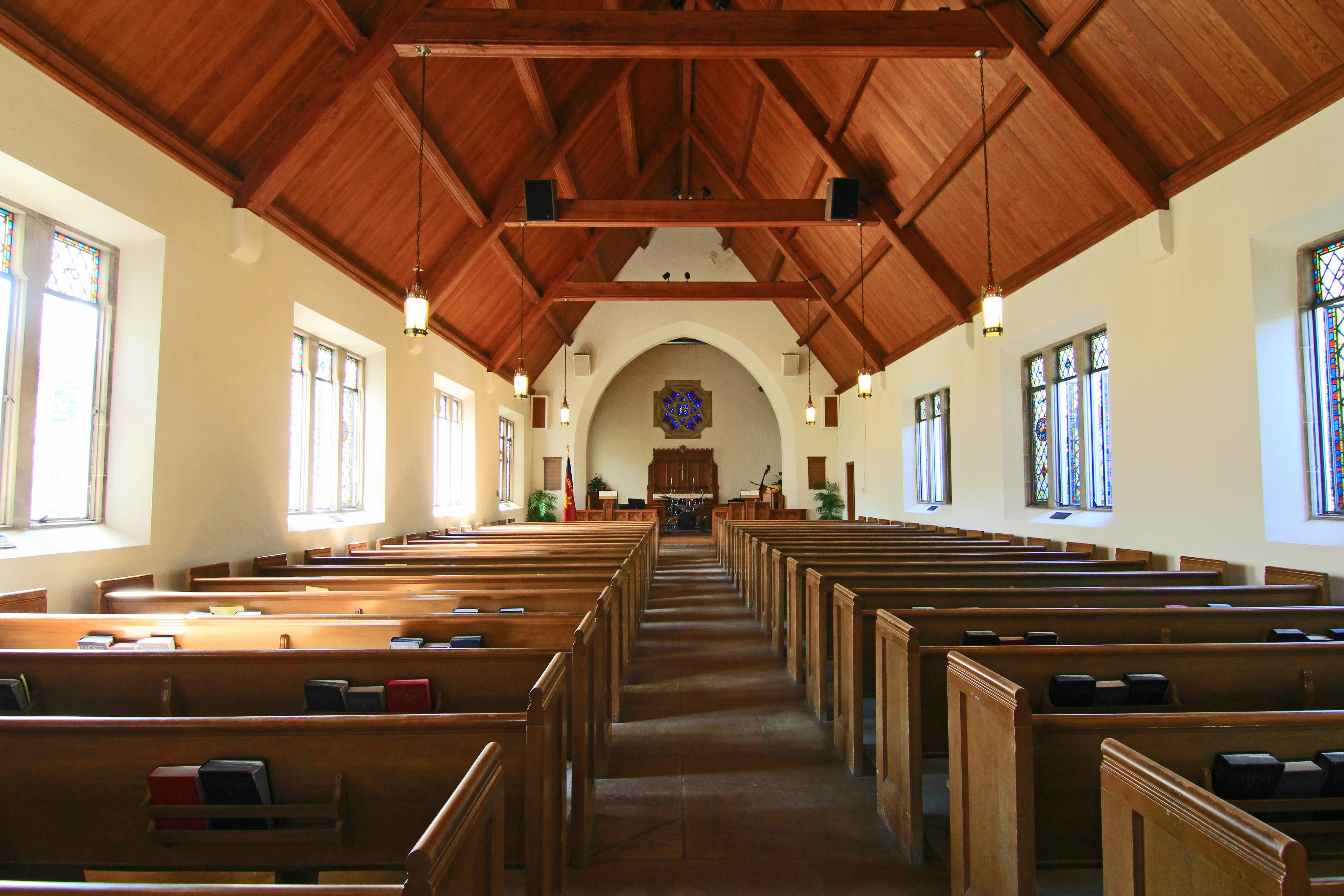
Reconciliation is the restoration of peace and unity after conflict. Through Christ, God reconciled humanity to Himself (2 Corinthians 5:18–19; Romans 5:10). This act of grace forms the basis for reconciliation among believers.
“Blessed are the peacemakers, for they will be called children of God.” — Matthew 5:9
Jesus taught that reconciliation should be pursued urgently, even before acts of worship (Matthew 5:23–24). Scripture encourages believers to actively pursue peace and unity (Romans 12:18; Hebrews 12:14; Psalm 133:1).
The Interconnection of Love, Forgiveness, and Reconciliation

Love motivates forgiveness, forgiveness enables reconciliation, and reconciliation restores unity. These principles are inseparable in Christian living. The early Church exemplified this harmony through love and shared life (Acts 2:42–47; Acts 4:32).
Where love abounds, offenses are covered (Proverbs 10:12; 1 Peter 4:8). Where forgiveness is practiced, healing follows (Psalm 103:12; Micah 7:18–19).
Conclusion
Love, forgiveness, and reconciliation are divine mandates that reflect God’s character. Through love, believers mirror God’s heart (1 John 4:11); through forgiveness, they extend His mercy (Luke 23:34); and through reconciliation, they demonstrate His power to restore what is broken (Isaiah 58:12).
As followers of Christ, believers are called to live out these truths daily, becoming ambassadors of reconciliation in a broken and divided world (2 Corinthians 5:20).